
On Grid Systems
is an energy system that is connected to the electrical grid is called an on-grid solar system or grid-tied or grid-connected solar system.
On-grid solar systems are popular because they allow you to reduce or eliminate your reliance on traditional grid-supplied electricity while still maintaining the convenience and reliability of the electrical grid.
They can help you save on electricity bills, reduce carbon footprint, and potentially earn incentives through net metering or feed-in tariffs.
Components of an on-grid solar power system (grid-tied solar system) typically include:
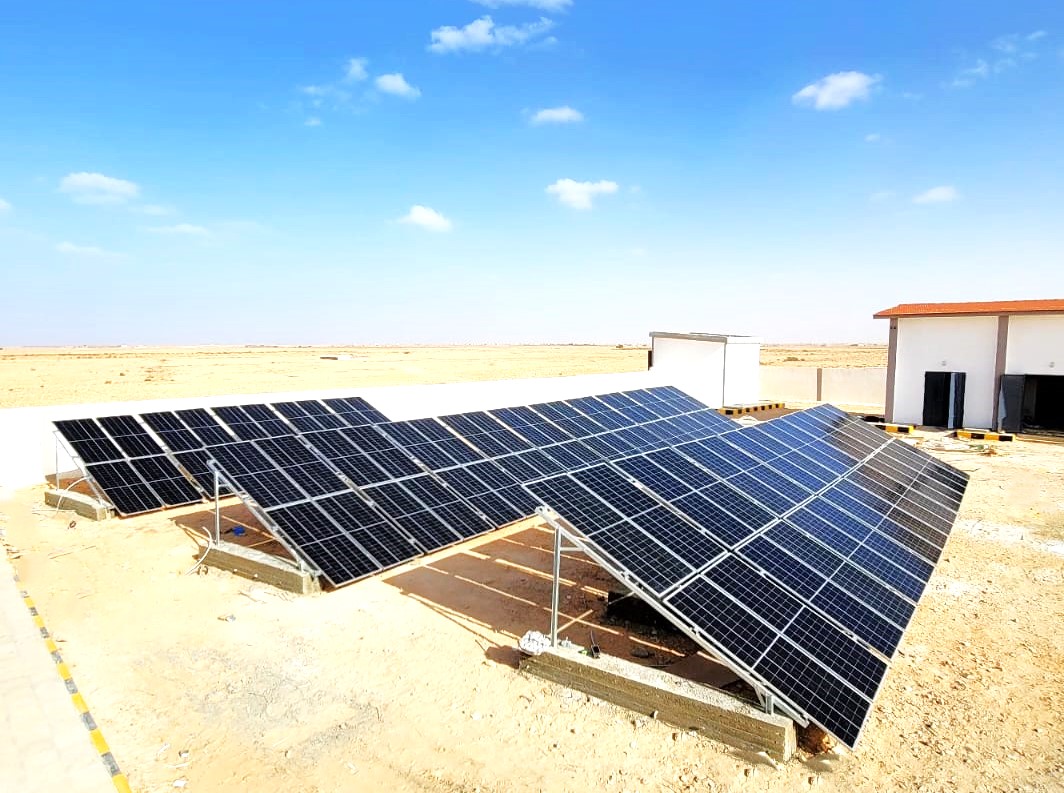
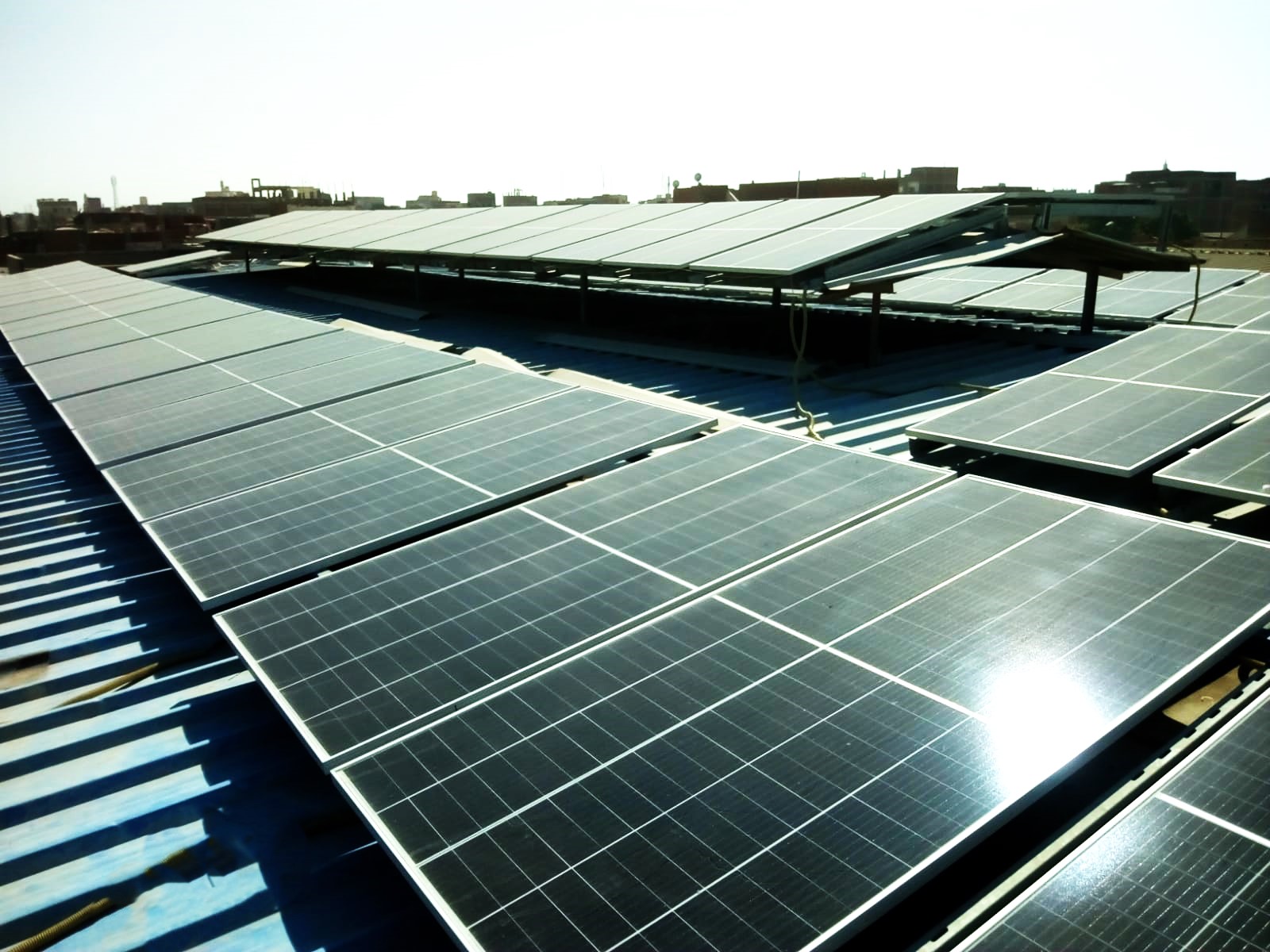
- Solar Panels (Photovoltaic Modules): Solar panels, often referred to as photovoltaic (PV) modules, are the primary components that capture sunlight and convert it into electricity. They are usually mounted on rooftops or in open areas with good sun exposure.
- Inverters: Inverters are essential components that convert the direct current (DC) electricity generated by the solar panels into alternating current (AC) electricity, which is used in homes and connected to the electrical grid. There are different types of inverters, including string inverters, microinverters, and power optimizers
- Wiring and Electrical Components: Wiring, junction boxes, and electrical components are used to connect the solar panels, inverters, and the main electrical panel of the building. This ensures the safe and efficient distribution of electricity.
- Metering Equipment: On-grid systems require special meters, including net meters and bi-directional meters, to measure the electricity generated by the solar panels and the electricity consumed from the grid. These meters enable tracking of energy production and the ability to receive credits for surplus electricity sent to the grid.
- Grid Connection: A grid connection is established by a licensed electrician, which allows the solar system to connect to the local electrical grid. This connection ensures that surplus energy can be sent to the grid, and the building can still draw electricity from the grid when needed.
- Disconnect Switch: A disconnect switch or breaker is installed to isolate the solar system from the grid during maintenance or emergencies.
- Structural and Safety Considerations: The installation may require structural reinforcements on the roof or ground to support the weight of the solar panels. Proper safety measures, such as fall protection, may also be necessary during installation.
These components work together to generate electricity from sunlight and feed it into the electrical grid, reducing or eliminating the need for electricity from the grid and potentially allowing homeowners or businesses to benefit from net metering or other incentives provided by utility companies.